History of implants
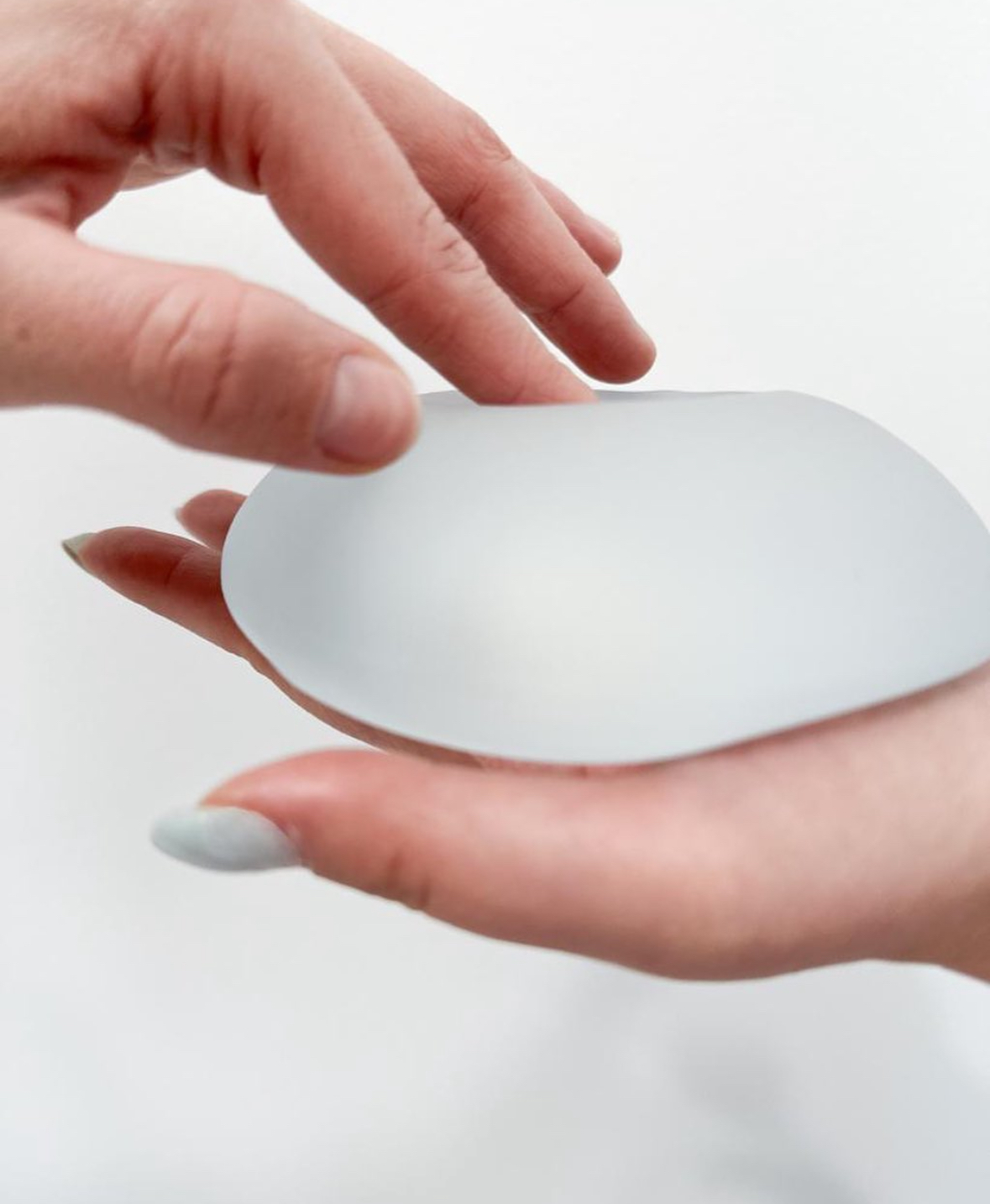
The history of silicone breast implants dates back to the 1960s. In 1961, American plastic surgeons Thomas Cronin and Frank Gerow, in collaboration with the Dow Corning Corporation, developed the first silicone gel-filled breast prostheses. These implants, called first-generation implants, were fitted with a special patch to prevent them from rotating. The first breast augmentation procedure using silicone implants was performed in 1962. The patient who was the first to receive modern implants was Timmy Jean Lindsay. The following years brought intensive work on the improvement of breast implants, focusing mainly on the thickness and quality of the material. From the mid-1990s onwards, breast augmentation surgery became hugely popular, thanks in part to actresses and show business women who were ardent advocates of it. Although plastic surgery was previously associated mainly with celebrities, the beginning of the millennium brought a change in the outlook on this type of interference. Today, more and more women are opting for breast augmentation for a variety of reasons, from improving self-esteem to reconstruction after a mastectomy.
Breast implant surgery has come a long way since its inception. During this time, significant advances have been made in the design of breast implants, including both parameters affecting their strength and safety and their shape.
The first generation of silicone gel implants dates back to the 1960s. These include the original silicone implant manufactured by Dow Corning between 1964 and 1968. These earliest devices were characterised by dacron patches that were placed on the posterior wall. These silicone implants were manufactured until the early 1970s
The second-generation silicone gel-filled implants had a thinner envelope without sutures and Dacron fixation patches to reduce the rate of pouch contracture. The implants were round and filled with a less viscous silicone gel to provide a more natural feel.
The third generation of silicone gel-filled implants was introduced in the early 1980s. These prostheses had a new and improved multilayer silicone elastomer coating, characterised by two layers of high-performance elastomer with a thin fluorosilicone barrier layer between them.
The modifications occurring in fourth-, fifth- and most recently sixth-generation silicone implants are primarily changes in silicone gel technology. Cross-linking of the gel molecules provides the cohesion that gives the implant its distinctive appearance. Each improvement is aimed at extending the life of the implant, increasing softness and changing the coating to reduce the reaction to foreign bodies.
Improvements in the casing and the degree of polymerisation of the gel have contributed to the creation of products with a low risk of complications. Thanks to these innovations, plastic surgeons now have the opportunity to tailor implants to each patient's individual needs and anatomical conditions.